
MANGA: Everything You Need to Know
manga is a style of Japanese comic books or graphics that have gained immense popularity worldwide. These colorful, expressive, and engaging comics have a unique blend of text and images that capture the imagination of readers. If you're interested in exploring the world of manga, here's a comprehensive guide to get you started.
Understanding the Basics of Manga
Before diving into the world of manga, it's essential to understand its basic characteristics. Manga is typically published in black and white or colored, and its stories range from action-adventure to romance, sci-fi, and fantasy.
One of the most distinctive features of manga is its unique art style, which often incorporates exaggerated facial expressions, dynamic poses, and detailed backgrounds. The text is usually written in a way that flows with the images, making it easy to follow the story.
Choosing the Right Type of Manga
With the vast array of manga genres, it can be challenging to decide where to start. Here are some popular genres and tips to help you choose:
september 22nd star sign
- Shonen manga: Action-packed and often features male protagonists. Examples include Dragon Ball and Naruto.
- Shojo manga: Focuses on romance and relationships, typically featuring female protagonists. Examples include Sailor Moon and Fruits Basket.
- Mecha anime: Science fiction and fantasy elements, often featuring robots and machinery. Examples include Gundam and Full Metal Panic.
- Seinen manga: Targets older male readers, often featuring mature themes and complex storylines. Examples include Akira and Berserk.
Consider your interests and reading preferences when selecting a genre. You can also try reading a variety of genres to find what suits you best.
Where to Find Manga
There are several ways to access manga, including:
- Online platforms: Websites like Crunchyroll, Funimation, and Comixology offer a vast library of manga and anime.
- Physical stores: Visit local comic book stores or anime shops to browse the latest manga releases.
- Public libraries: Many libraries carry manga titles, both in print and digital formats.
- Used bookstores: You can find affordable manga titles at second-hand bookstores.
Explore different sources to find what works best for you, and be mindful of copyright and licensing agreements when accessing digital content.
Creating Your Own Manga
If you're interested in creating your own manga, here are some essential steps:
- Develop your concept: Brainstorm a story idea, characters, and setting.
- Plan your story: Create a rough outline, including character arcs, plot twists, and pacing.
- Develop your art style: Experiment with different techniques, such as inking, shading, and color.
- Write and draw: Start creating your manga, following your plan and refining your skills.
- Edit and revise: Review your work, making adjustments to pacing, artwork, and storytelling.
Practice and patience are key to creating engaging manga. Join online communities, attend workshops, or take classes to learn from experts and improve your skills.
Popular Manga Titles and Their Characteristics
Here's a comparison of popular manga titles, highlighting their genres, art styles, and storytelling techniques:
| Title | Genre | Art Style | Storytelling Technique |
|---|---|---|---|
| Dragon Ball | Shonen | Dynamic, exaggerated | Fast-paced, action-packed |
| Full Metal Panic! | Mecha | Realistic, detailed | Complex, suspenseful |
| Attack on Titan | Dark Fantasy | Gothic, atmospheric | Tense, emotional |
| One Piece | Shonen | Vibrant, humorous | Comedic, adventurous |
These titles showcase different genres and art styles, offering a glimpse into the diverse world of manga.
Conclusion is not provided.
manga serves as a unique and fascinating form of Japanese comic art, captivating audiences worldwide with its diverse styles, genres, and storytelling. As a cultural phenomenon, manga has evolved significantly over the years, influencing various aspects of popular culture. This article provides an in-depth analytical review, comparison, and expert insights into the world of manga.
Origins and Evolution of Manga
The origins of manga date back to the 19th century, influenced by Western art and Japanese ukiyo-e woodblock prints. Over time, manga evolved into distinct styles, such as shonen, shojo, and seinen, catering to different demographics and age groups.
Today, manga encompasses a wide range of genres, from action and adventure to romance and fantasy. Its popularity extends beyond Japan, with international adaptations and translations of popular manga series, such as Dragon Ball, Naruto, and One Piece.
One notable aspect of manga's evolution is its influence on other media forms, including anime, video games, and even live-action films. This cross-media synergy has contributed significantly to manga's global appeal and widespread recognition.
Manga Genres and Target Audiences
Manga genres cater to diverse age groups and interests, making it a versatile medium for storytelling. Some popular genres include:
- Shonen: targeting male readers, often featuring action-packed storylines and male protagonists (e.g., Dragon Ball, Naruto)
- Shojo: focusing on female readers, typically exploring romantic relationships and character development (e.g., Love Hina, Cardcaptor Sakura)
- Seinen: targeting older male readers, often incorporating complex storylines and mature themes (e.g., Ghost in the Shell, Paranoia Agent)
- Josei: aimed at older female readers, frequently exploring realistic relationships and social issues (e.g., Teasing Master Takagi-san, Nana)
Each genre offers a unique perspective on the world of manga, reflecting the diverse interests and preferences of its target audiences.
Comparison of Traditional and Digital Manga
Traditionally, manga was published in printed form, with readers enjoying the tactile experience of flipping through pages and accessing artwork in high definition. However, the advent of digital platforms has transformed the way manga is consumed, offering several advantages:
- Increased accessibility: digital manga can be accessed on various devices, making it easier for readers to engage with their favorite series on-the-go.
- Cost-effectiveness: digital manga often costs less than physical copies, making it more affordable for readers to explore different titles and series.
- Environmental sustainability: digital manga reduces the need for paper and ink, contributing to a more eco-friendly approach to comic book consumption.
However, traditional manga still has its loyal following, appreciating the physical aspect of collecting and displaying artwork. Ultimately, both formats coexist, catering to different preferences and reading habits.
Expert Insights: The Future of Manga
Industry experts predict that manga will continue to evolve, incorporating emerging technologies and trends. Some potential developments include:
Aspect
Current State
Potential Future Developments
Storytelling
Traditional linear narratives
Interactive storytelling, immersive experiences, and experimental formats
Artwork and Illustration
Traditional hand-drawn and digitally created artwork
Advanced digital tools, AI-assisted illustration, and mixed-media techniques
Target Audience
Demographically defined genres
More nuanced and diverse audience representation, incorporating intersectional perspectives
Global Reach and Adaptations
Limited international adaptations and translations
Increased global recognition, widespread adaptations, and collaborations with international creators
As manga continues to push boundaries and innovate, it will be exciting to witness the emergence of new trends, styles, and storytelling approaches that redefine the medium.
Conclusion, but Not Really
As we reflect on the complexities and nuances of manga, it becomes clear that this medium is more than just a form of entertainment. It is a reflection of Japanese culture, a platform for self-expression, and a gateway to global understanding. As manga continues to evolve, it will be essential to acknowledge its impact on popular culture, its influence on other media forms, and its capacity to engage diverse audiences. The future of manga is promising, filled with endless possibilities and innovative storytelling approaches. Whether you're a seasoned manga fan or a newcomer, there's always something new to discover in this captivating world of Japanese comic art.
Related Visual Insights
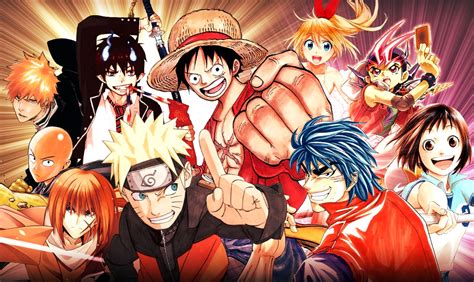


* Images are dynamically sourced from global visual indexes for context and illustration purposes.
Origins and Evolution of Manga
The origins of manga date back to the 19th century, influenced by Western art and Japanese ukiyo-e woodblock prints. Over time, manga evolved into distinct styles, such as shonen, shojo, and seinen, catering to different demographics and age groups.
Today, manga encompasses a wide range of genres, from action and adventure to romance and fantasy. Its popularity extends beyond Japan, with international adaptations and translations of popular manga series, such as Dragon Ball, Naruto, and One Piece.
One notable aspect of manga's evolution is its influence on other media forms, including anime, video games, and even live-action films. This cross-media synergy has contributed significantly to manga's global appeal and widespread recognition.
Manga Genres and Target Audiences
Manga genres cater to diverse age groups and interests, making it a versatile medium for storytelling. Some popular genres include:
- Shonen: targeting male readers, often featuring action-packed storylines and male protagonists (e.g., Dragon Ball, Naruto)
- Shojo: focusing on female readers, typically exploring romantic relationships and character development (e.g., Love Hina, Cardcaptor Sakura)
- Seinen: targeting older male readers, often incorporating complex storylines and mature themes (e.g., Ghost in the Shell, Paranoia Agent)
- Josei: aimed at older female readers, frequently exploring realistic relationships and social issues (e.g., Teasing Master Takagi-san, Nana)
Each genre offers a unique perspective on the world of manga, reflecting the diverse interests and preferences of its target audiences.
Comparison of Traditional and Digital Manga
Traditionally, manga was published in printed form, with readers enjoying the tactile experience of flipping through pages and accessing artwork in high definition. However, the advent of digital platforms has transformed the way manga is consumed, offering several advantages:
- Increased accessibility: digital manga can be accessed on various devices, making it easier for readers to engage with their favorite series on-the-go.
- Cost-effectiveness: digital manga often costs less than physical copies, making it more affordable for readers to explore different titles and series.
- Environmental sustainability: digital manga reduces the need for paper and ink, contributing to a more eco-friendly approach to comic book consumption.
However, traditional manga still has its loyal following, appreciating the physical aspect of collecting and displaying artwork. Ultimately, both formats coexist, catering to different preferences and reading habits.
Expert Insights: The Future of Manga
Industry experts predict that manga will continue to evolve, incorporating emerging technologies and trends. Some potential developments include:
| Aspect | Current State | Potential Future Developments |
|---|---|---|
| Storytelling | Traditional linear narratives | Interactive storytelling, immersive experiences, and experimental formats |
| Artwork and Illustration | Traditional hand-drawn and digitally created artwork | Advanced digital tools, AI-assisted illustration, and mixed-media techniques |
| Target Audience | Demographically defined genres | More nuanced and diverse audience representation, incorporating intersectional perspectives |
| Global Reach and Adaptations | Limited international adaptations and translations | Increased global recognition, widespread adaptations, and collaborations with international creators |
As manga continues to push boundaries and innovate, it will be exciting to witness the emergence of new trends, styles, and storytelling approaches that redefine the medium.
Conclusion, but Not Really
As we reflect on the complexities and nuances of manga, it becomes clear that this medium is more than just a form of entertainment. It is a reflection of Japanese culture, a platform for self-expression, and a gateway to global understanding. As manga continues to evolve, it will be essential to acknowledge its impact on popular culture, its influence on other media forms, and its capacity to engage diverse audiences. The future of manga is promising, filled with endless possibilities and innovative storytelling approaches. Whether you're a seasoned manga fan or a newcomer, there's always something new to discover in this captivating world of Japanese comic art.
Related Visual Insights
* Images are dynamically sourced from global visual indexes for context and illustration purposes.

